A project to deploy a security robot is structured as a comprehensive safety and security strategy in its own right: objectives, scenarios, on-site constraints, stakeholders, indicators, testing and development over time. By setting out these seven stages, a safety and security department can assess the operational value of an autonomous robot, its integration into teams and its contribution to continuous, documented and managed surveillance.
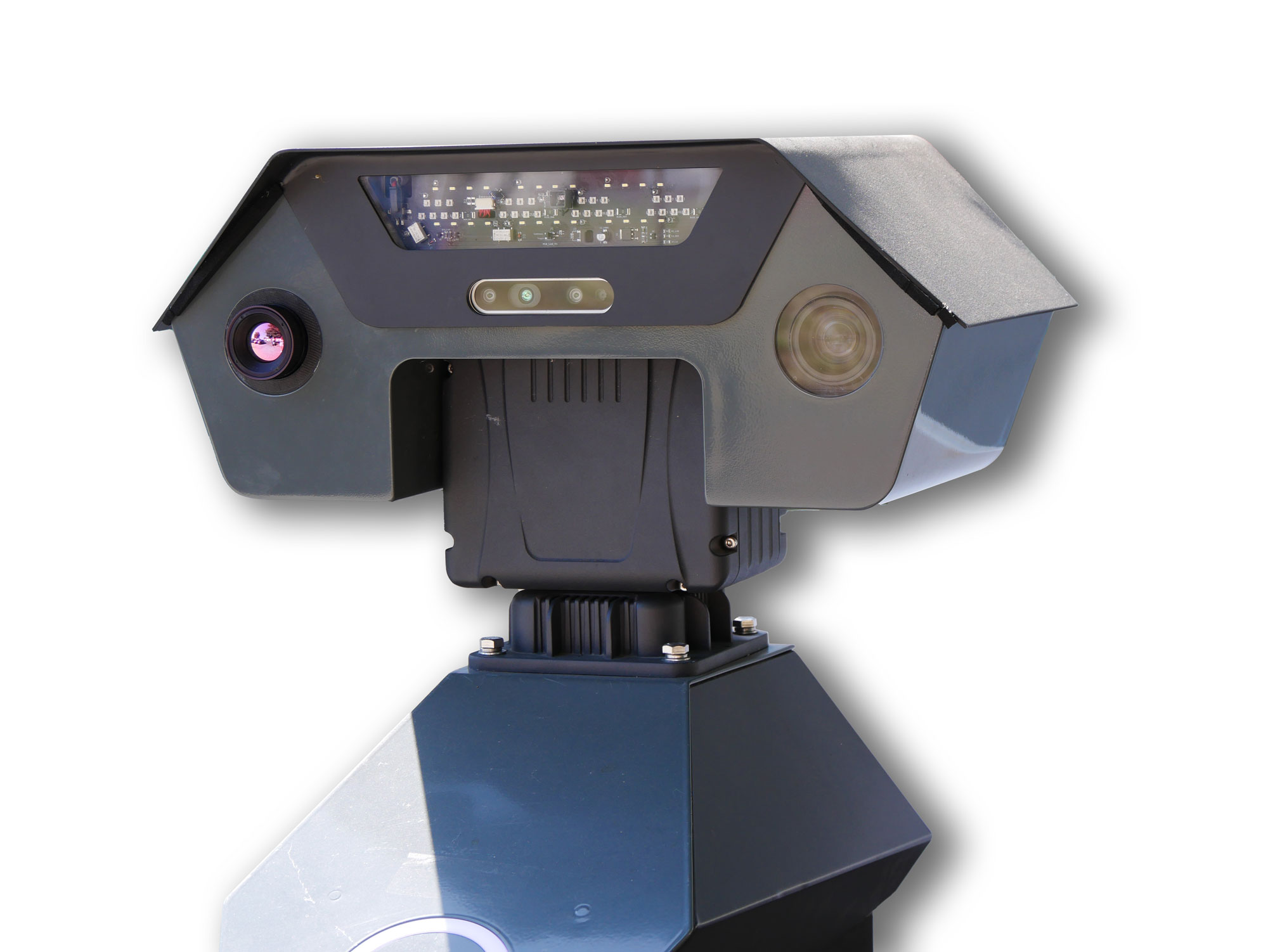
Deploying an autonomous security robot at a sensitive and/or industrial site requires a structured approach. For a security department, the challenge is to implement this new autonomous system in a structured, operational and measurable way, and to ensure it is accepted by the on-site teams. A patrol robot such as the GR100 is designed to enhance surveillance, automate patrols, assess potential threats remotely to rule out any doubts, and document incidents occurring on site.
This framework enables security requirements to be aligned with the realities of the site, whilst integrating the robot into existing systems: areas to be covered, patrol scenarios, supervision, connectivity, alert procedures, the role of security staff, evaluation criteria, and so on.
Which risks do we want to address more effectively? Which areas of the site are relevant to the robot’s operations? How can it be integrated into existing systems? What indicators will be used to assess its operational effectiveness? Who will be responsible for operating the autonomous robot once it has been installed?
Here is a seven-step approach to structuring a project to integrate a security robot: from defining the requirements through to long-term operation.
The first step is to clarify exactly what the safety and security department expects from the robot. The aim is to link the technology to specific, measurable priorities that are shared by the operational teams.
For example:
This stage provides clear direction for the project: the robot is assessed on the basis of clear operational objectives, rather than as a new technology separate from the other security systems already in place.
Once the objectives have been identified, these requirements need to be translated into use cases. In other words, a specific situation in which the robot delivers operational added value. This enables us to move from the intention to monitor the site to specific, observable and testable scenarios.
Examples of scenarios:
Effective scoping involves selecting a few high-value use cases in order to build a solid, actionable and measurable foundation.
A security robot such as the GR100 operates in complex environments, but it also has its limitations, for example when it comes to navigating obstacles. That is why a site assessment helps to identify what is feasible, what needs to be adapted and what requires specific validation to ensure the patrol robot navigates as effectively as possible.
The points to be analysed include:
This stage enables us to anticipate actual operating conditions. It also helps to tailor the robot’s tasks to the realities on the ground, with routes, timetables and scenarios that are consistent with the site and the GR100’s capabilities.
A security robot project rarely involves the security department alone. Several departments are involved: senior management, operations, procurement, IT and cybersecurity, and so on…
Presenting the robot, its business benefits, its ROI, data processing and the reliability of the solution to all stakeholders from the outset helps to ensure the project’s success.
This helps to avoid a number of common issues:
The robot must be integrated into an existing organisation. The earlier this alignment is planned for, the smoother the adoption process will be.
To assess the actual contribution of the security robot to the existing security system, it is necessary to monitor indicators relating to site coverage, the quality of detections, operational responsiveness and system availability…
They may concern:
This data is useful for making an objective investment decision.
It helps answer a key question: does the robot improve the monitoring, classification and handling of security and safety incidents?
The successful integration of the robot also depends on the teams’ ability to use it correctly, to understand its role within the security system, and to embrace this new tool.
The training must enable the relevant operators and managers to familiarise themselves with the robot’s main functions and its control interface:
This phase also helps to clarify everyone’s roles: scheduling patrols, handling alerts, monitoring the robot and reporting faults.
Exercises carried out under real-life site conditions help staff to familiarise themselves with the tool and enable teams to develop the right reflexes before it is put into daily use.
To ensure that the GR100 surveillance robot delivers value and business benefits in day-to-day operations, clear governance must be established: Who is responsible for the robot on site? Who has access to the robot’s interface, and what are each person’s roles? Who defines the robot’s patrol routes and points of interest (POIs)? Who reviews and handles alerts? Who analyses the statistics and data reported by the GR100? Who updates the patrol scenarios and scheduling? Do remote monitoring operators have access to the RBOC?…
This governance may include:
The RBOC monitoring interface plays a central role here. It enables users to monitor activity, view historical data, access field evidence, analyse alerts and progressively improve the patrols and strategic measurement points carried out by the robot.
Although the ROI of a surveillance robot such as the GR100 can be calculated quickly, its operational benefits and the data it provides — which enable the security performance of a site to be objectively assessed — are measured over the long term. Furthermore, field teams, who may be reluctant at first, come to embrace the robot as they use it.
The success of a security robot project depends above all on the quality of its planning. Operational objectives, surveillance scenarios, site constraints, team responsibilities and monitoring indicators must be defined in advance.
This work enables the robot to be integrated into the existing security system, in line with procedures, monitoring tools and the site’s organisation. Its contribution can then be assessed against specific criteria: area coverage, regularity of patrols, response times to resolve incidents, traceability of events, alert classification and continuity of surveillance.
The robot thus becomes a piece of equipment that is fully integrated into operations, the effectiveness of which relies on clearly defined uses, appropriate governance and regular performance monitoring.
Editorial intern at Running Brains Robotics